
-
ProductShanghai Taichi Magforce Machinery Co., Ltd. specializes in the design and manufacture of electro-permanent magnetic chucks under the AMAG brand. Drawing on the technical strengths of original Italian magnetic technology and integrating practical industrial application requirements, the company has developed a comprehensive range of electro-permanent magnetic chuck solutions. These products are widely used in machine tools, injection molding machines, stamping equipment, and electro-permanent magnetic lifting systems.

-
ServiceWith a strong technical foundation and in consideration of the actual conditions of customers in the Chinese market, we have innovatively launched the dynamic mold safety anti-drop system and the full board magnetic reading function.
-
About UsShanghai Tower Pool focuses on the production and application of electric control permanent magnet quick mold change systems. Our team originated from the Italian Taima China team, which is known in the industry as the first pioneers of "magnetic templates" in China. After more than a decade of growth in the Chinese market, we have provided installation, maintenance, and repair services for hundreds of magnetic templates.
-
BlogShanghai Tower Pool Machinery Co., Ltd. adheres to the principle of 'survival by quality, precision by rigor, and trust by sincerity', and continues to provide customers with standard, efficient, and safe magnetic products. We will cooperate with you with high-quality service and reasonable prices to create a better future together!
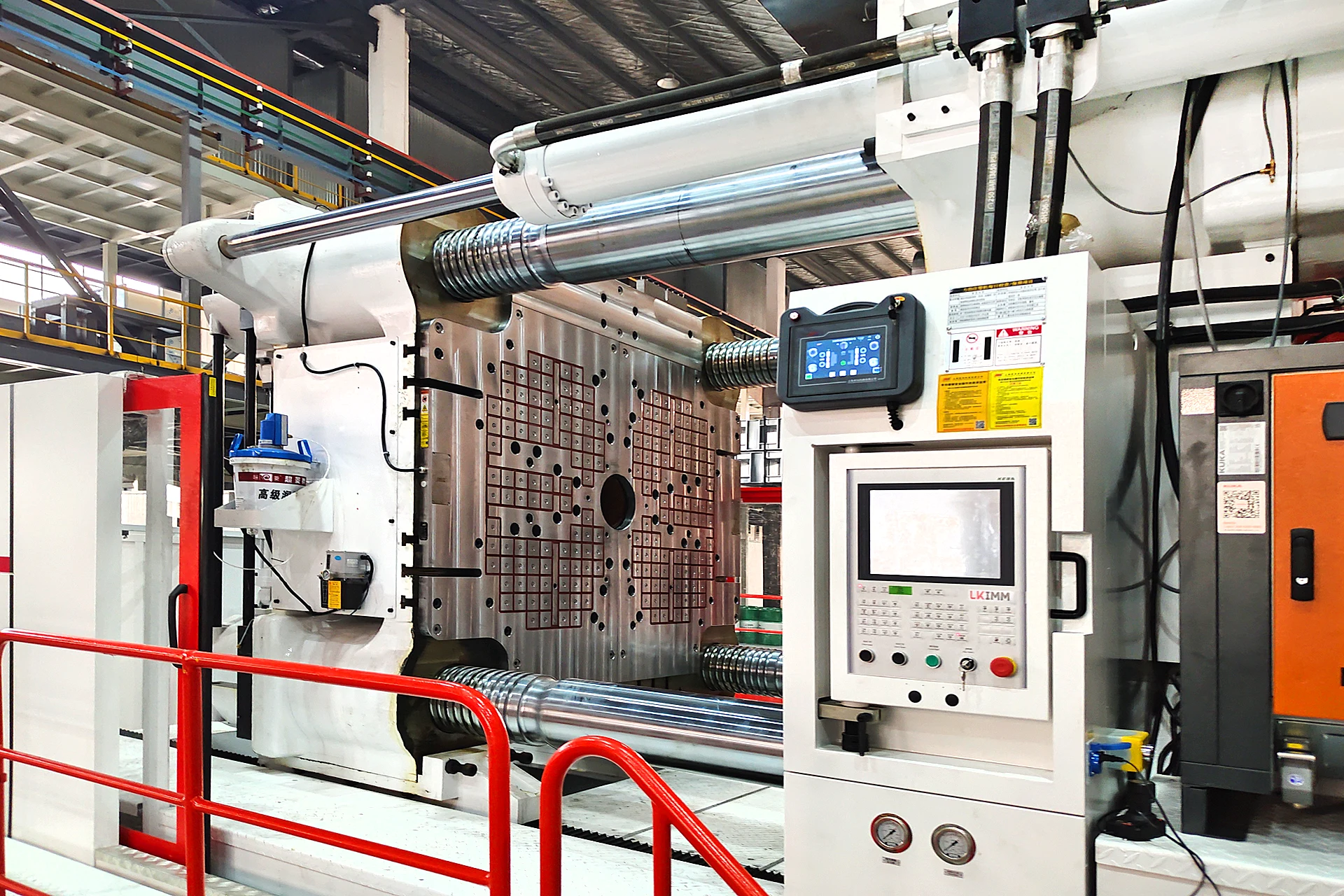
PROFESSIONAL
High-Performance Magnetic Platens for Rapid Mold Change
Shanghai Taichi Machinery (AMAG) develops advanced magnetic platens with full-surface magnetic reading, engineered for fast, safe quick mold changes (QMC).
VIEW MORE
APPLICATION
1300T Dual-Color Injection Molding Magnetic Platens
Dual and Multi-Color Injection Molding Magnetic Platens for Faster Mold Changes
VIEW MORE
OUTSTANDING
Industrial Electro-Permanent Lifting Magnets
Electro-Permanent Lifting Magnets Offering Energy Efficiency, Safety, and Flexible Lifting
VIEW MOREUnlocking the Power of Magnetic Platens in Modern Manufacturing
Author:
Source:
Understanding Magnetic Platens
Ever wonder how some manufacturing processes seem to work like magic? Well, that's often thanks to nifty devices called Magnetic Platens. These clever tools are revolutionizing the way we think about production, allowing for quicker setups and more efficient operations. Let's dive into how they operate and why they're becoming indispensable in modern manufacturing.
What Are Magnetic Platens?
To put it simply, magnetic platens are flat surfaces that use magnets to hold materials in place during manufacturing processes. They're often used in conjunction with CNC machines, die-cutting, or even in the textile industry. The beauty lies in their ability to securely grip various materials without the need for traditional clamps or fixtures, making them a favorite among engineers and manufacturers alike.
How Do They Work?
Here comes the fun part: the working principle of magnetic platens! These devices operate on the principles of magnetism. When activated, the magnets within the platens create a strong magnetic field that securely holds the workpiece in place. The grip can be adjusted by altering the magnetic field strength, allowing for flexibility in handling different materials.
Imagine you're working with delicate sheets of metal. By adjusting the magnetic force, you can ensure that the sheets are held firmly without any risk of damage. Pretty neat, right?
Benefits of Using Magnetic Platens
Now, let's chat about the perks of using these ingenious devices:
- Speed: Magnetic platens drastically reduce setup time. No more fiddling with clamps or fixtures! Just place the material, activate the magnets, and you're good to go.
- Versatility: They can handle various materials, from metals to plastics, making them ideal for diverse applications.
- Precision: The secure hold minimizes movement, ensuring that your cuts or engravings are spot on.
- Reduced Wear and Tear: Fewer mechanical parts mean less maintenance and prolonging the lifespan of your equipment.
Applications in Different Industries
Magnetic platens aren't just for one industry; they're making waves across various sectors. In the automotive realm, for instance, they help in the assembly of intricate components. The aerospace industry benefits from their precision during manufacturing processes that require high accuracy. Even the furniture industry is hopping on board, using magnetic platens for efficient assembly of pieces.
Challenges and Considerations
Despite all the advantages, it's essential to consider a few challenges. For one, the initial investment in magnetic platens can be higher than traditional fixtures. Additionally, they require a certain level of training to operate effectively. However, the long-term savings and efficiency often outweigh these initial hurdles.
Future Trends
As technology advances, so do magnetic platens. Innovations in magnet technology and materials are leading to even stronger and more efficient platens. The integration of smart technology may allow for real-time adjustments based on the materials being used, enhancing precision and efficiency.
Conclusion
In a nutshell, magnetic platens are reshaping the landscape of manufacturing. Their ability to provide speed, versatility, and precision is making them a go-to solution for industries looking to enhance their production processes. As we continue to embrace innovation, it's clear that magnetic platens are here to stay, paving the way for a more efficient future.
Magnetic Platens
Related News
With reliable service and competitive pricing, Shanghai Taichi Magforce is your partner for long-term success!


Contact Us